
Core Muscles
Core muscles are often misunderstood as muscles you train to look leaner around the waist. In reality, the core exists primarily to stabilize, transfer force, and protect movement, not to create visible motion.
This page explains what the core muscles are, what they actually do, and why they matter in bodybuilding, using clear and practical anatomy focused on understanding rather than instruction.
This content is educational, not medical advice.
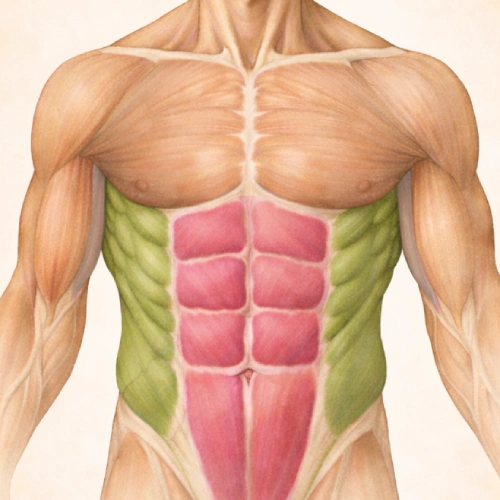
What We Mean by “Core Muscles”
The core is not a single muscle and not limited to the abs.
In anatomical terms, the core includes muscles that surround and support the trunk, such as:
- Abdominal muscles on the front and sides
- Muscles along the spine
- Deep stabilizing muscles beneath the surface
Together, these muscles create a supportive cylinder around the torso.
Their main job is not movement, but control.
Surface Muscles vs Deep Stabilizers
Some core muscles are easy to see. Others are not.
- Surface muscles contribute to visible trunk movement
- Deeper muscles focus on spinal stability and pressure control
Both layers matter. Visible muscles often get attention, but deep stabilizers quietly determine how safely and efficiently force is transferred during lifts.
This is why strong looking abs do not always equal a well functioning core.
What the Core Actually Does During Training
The core’s primary role is to:
- Resist unwanted movement
- Maintain spinal alignment
- Transfer force between upper and lower body
During many exercises, the core works isometrically. It does not shorten or lengthen much, but it stays active to prevent collapse or excessive motion.
This explains why core fatigue often feels like loss of control rather than muscle burn.
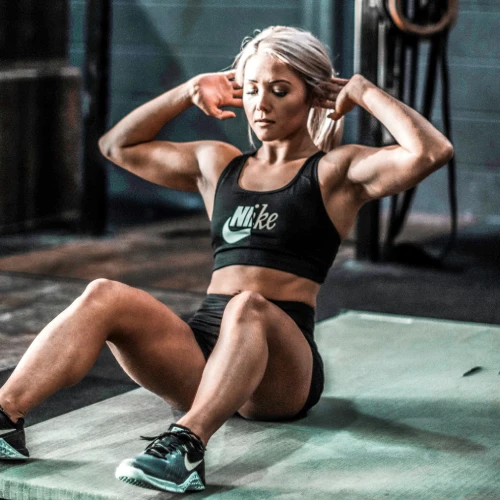
The Core as a Force Bridge
In bodybuilding movements, force often travels:
- From the ground
- Through the legs
- Across the torso
- Into the arms
The core acts as the bridge in this chain. If the bridge is unstable, force leaks. Anatomy explains why weak or fatigued core muscles can limit performance even when limb muscles feel strong.
Why Core Training Feels Different
Core muscles do not usually create large visible movement under load.
Because of this:
- Sensation can be subtle
- Fatigue can feel unfamiliar
- Progress is harder to judge visually
This often leads to misunderstanding core function or overemphasis on appearance based cues.
Understanding anatomy reduces this confusion.
Core Muscles and Posture
Core muscles influence posture by controlling spinal position against gravity and load.
When these muscles fatigue:
- Posture shifts
- Movement efficiency decreases
- Other muscles compensate
This is not a flaw. It is the body adapting in real time. Anatomy helps explain these changes without assigning blame or labels.
Why Core Anatomy Matters in Bodybuilding
Without understanding core anatomy, training often focuses on surface appearance.
Anatomical awareness helps you:
- Understand why stability affects performance
- Interpret loss of control during heavy lifts
- Separate visible definition from functional support
The core supports everything, even when it is not the focus.
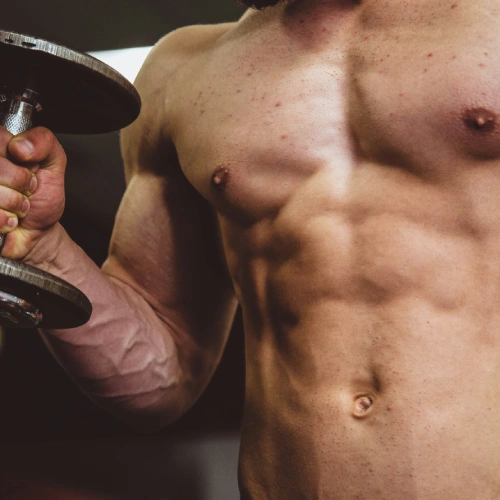
A Clear Way to Think About the Core
Instead of asking:
- “How do I work my abs?”
A more useful question is:
- “What movement is my core controlling right now?”
This reframes the core as a support system, not a display muscle.
Core muscles are not about flexing.
They are about holding, resisting, and transferring force.Understanding this changes how core involvement is interpreted across all training, from legs to upper body.
If you want, the next logical section is Workout Structure, where core stability quietly influences how every session is built.