
Water Retention & Bloating
Water retention and bloating are often confused with fat gain or failed nutrition. In reality, they are usually short term fluid and digestive responses, not changes in body tissue. Understanding the difference helps prevent unnecessary dietary restriction and frustration.
This page explains what water retention and bloating are, why they happen, and how they affect appearance and performance, without offering treatments or instructions.
This content is educational, not medical advice.
What Water Retention Actually Is
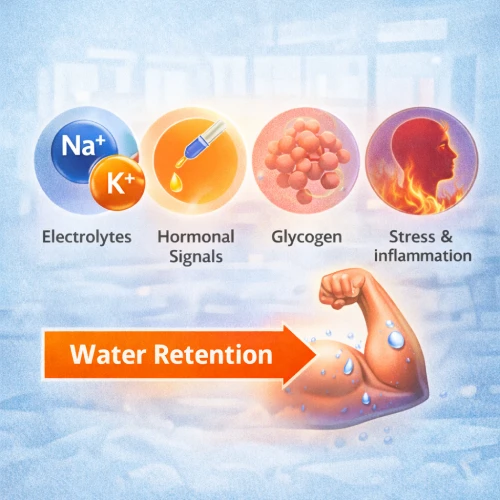
Water retention refers to temporary increases in body water, either inside cells or in the space between them.
Biologically, fluid balance is regulated by:
- Electrolytes such as sodium and potassium
- Hormonal signals
- Glycogen storage in muscles
- Stress and inflammation
Muscle glycogen binds water. When glycogen increases, water follows. This can make muscles look fuller and body weight rise without any change in fat mass.
Water retention is a regulatory response, not a storage of fat.
Why These Two Are Often Confused
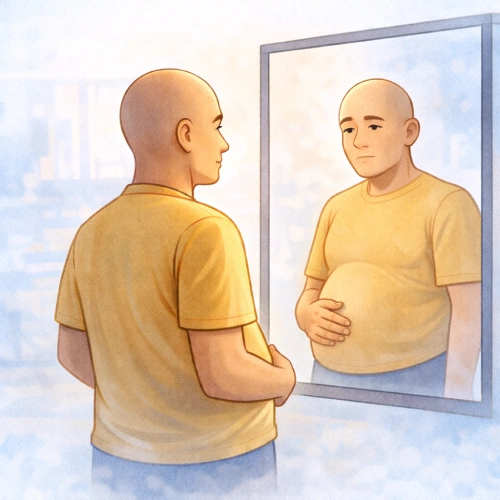
Both water retention and bloating can:
- Increase scale weight temporarily
- Change abdominal appearance
- Reduce perceived leanness
Because these changes are visible, they are often misinterpreted as fat gain. Research shows that short term weight fluctuations are far more likely to reflect fluid and digestive changes than changes in adipose tissue.
Understanding this prevents reactive decisions.
Stress, Hormones, and Fluid Shifts
Psychological and physiological stress influence fluid balance.
Research suggests that elevated stress hormones can:
- Alter sodium handling
- Increase fluid retention
- Affect digestion and gut sensitivity
This explains why bloating and water retention often appear during periods of poor sleep, high stress, or inconsistent routines even when diet remains unchanged.
Sodium, Hydration, and Misinterpretation
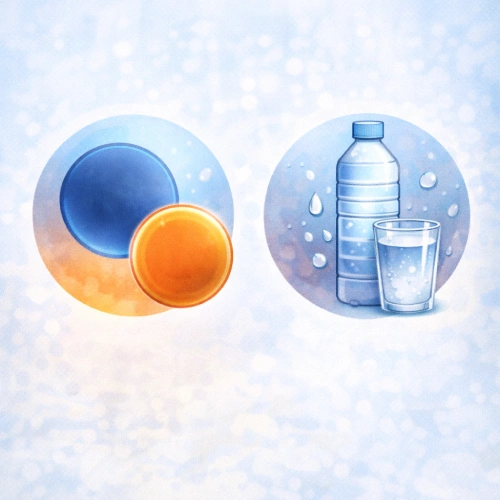
Sodium is frequently blamed for water retention.
In reality:
- Sodium helps regulate fluid balance
- Inconsistent intake causes larger fluid swings
- Stable intake supports stability
Research shows that erratic sodium and fluid patterns create more noticeable water fluctuations than moderate, consistent intake.
Consistency reduces visible shifts.
Appearance vs Physiology
Water retention and bloating often affect how the body looks more than how it performs.
A flatter appearance does not always mean better physiological readiness. Likewise, a fuller or softer look does not indicate fat gain.
Separating appearance from physiology helps maintain rational decision making.
Why Understanding This Matters
When water retention and bloating are misunderstood, people often:
- Cut calories unnecessarily
- Remove carbohydrates or fiber abruptly
- Assume progress has reversed
Understanding these processes protects long term consistency and mental clarity.
Once water retention is understood as a regulatory response rather than a simple intake issue, the focus shifts toward how digestion and gut function influence fluid balance and abdominal pressure.
That relationship is examined in Fiber, Digestion & Gut Health, where intestinal activity, fermentation, and transit explain why bloating often reflects digestive dynamics rather than body fat or excess water alone.
Selected Scientific Reading
A small number of references is sufficient to support these concepts:
Anderson JW, Baird P, Davis RH Jr, Ferreri S, Knudtson M, Koraym A, Waters V, Williams CL (2009). Health Benefits of Dietary Fiber.
https://pubmed.ncbi.nlm.nih.gov/19335713/
Barber TM, Kabisch S, Pfeiffer AFH, Weickert MO (2020). The Health Benefits of Dietary Fibre.
https://pubmed.ncbi.nlm.nih.gov/33096647/